
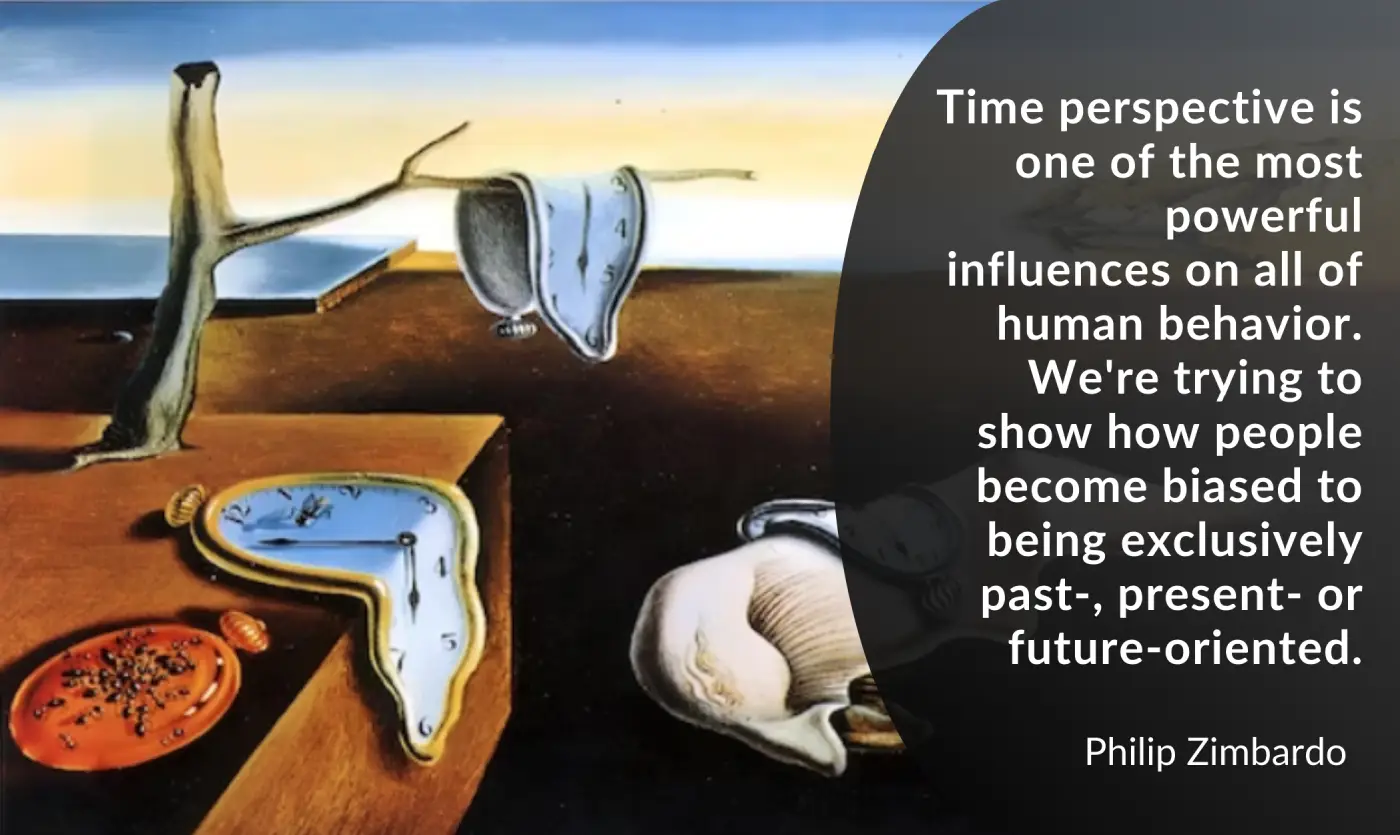
As most of the people I’ve talked to recently know, I’m very excited to have discovered Derek Sivers. On his website, Sive.rs, Derek describes himself as a programmer, writer, entrepreneur, and an avid student of life. After selling his company for 22 million dollars, he donated all the money to charity. According to him, he has enough. He leads a minimalist lifestyle, finding pleasure in learning and sharing what he’s learned, wisely setting himself free from materialism. Derek is an independent thinker, aware of what’s really important to him and what makes him happy, living in harmony with his true self and not caring about social norms. Though I will probably never meet him in person, I feel I know him through his writing and interviews, and I can relate to him in so many ways. I am especially excited about his book notes on Sivers.org. Derek is picky about what he reads and he generously shares his notes. I am currently living on a beach without a bookstore but I will eventually get and treasure this book. Normally I prefer to be more original but, since I haven’t read the book myself, I’m stealing the summary of 10 characteristics of each time orientation, posted by an Amazon reviewer, which Derek put at the end of his notes on the book "The Time Paradox: The New Psychology of Time That Will Change Your Life", by Philip Zimbardo and John Boyd:
PAST- ORIENTED PEOPLE
- They are generally more concerned with their past and seem to be able to distance themselves from the realities of the present or the future.
- They usually tend to be traditional, religious, and conservative.
- They have a stable sense of self.
- They usually tend to be family- and group-oriented and are distrustful of strangers; thus they may have a tendency to be prejudiced.
- They usually focus on their obligations and commitments whether personal or collective (i.e. family, cultural, or tribal obligations).
- Rituals and myths play important roles in their lives.
- They may have guilt as a dominant feeling.
- They usually try to maintain the status quo and thus may not be progressive.
- They usually do not take risks and are not adventurous.
- Within their group, they usually tend to be dependent and cooperative rather than competitive.
PRESENT-ORIENTED PEOPLE
- They tend to focus on the present and their current sensations, feelings, and concerns while ignoring commitments made in the past or for the future; thus they are more concerned with “what is” than “what was” or “what may be”.
- Their thinking is more concrete rather than abstract (i.e. one hundred dollar right now is much better than two hundred dollars in the future).
- It is difficult for them to give up temptations or delay gratification and thus they are easily distracted from the performance of necessary current tasks and tend to be procrastinators.
- They tend to concentrate on activities that bring pleasure and avoid pain.
- Their knowledge or insight may not deter them from performing actions that may not be beneficial to them.
- They are usually more sensation and novelty seekers, more aggressive, more depressed, less conscientious, and less emotionally stable. They have less concern for future consequences, less ego and impulse control, and less preference for consistency. They also tend to lie.
- Usually, people who are poor or uneducated tend to be present-oriented since they usually tend to focus on the emergent needs of the present.
- Since they are not good at abstract thinking, are more concerned with immediate gratification, and less concerned about the future, they usually tend to get low grades in school.
- Because they are immediate pleasure seekers, they usually don’t pay good attention to their health and can additionally abuse substances.
- They are usually considered to be fun people to be around.
FUTURE-ORIENTED PEOPLE
- They are more focused on their future than the present or the past; their thoughts are concerned with the future consequences of their present actions; they logically analyze various outcomes that may result from their action.
- They are goal-oriented and can delay gratification and endure an unpleasant situation in order to achieve long-term goals. They pay attention to responsibility, liability, efficiency, distant payoffs, and tend to optimize future outcomes. Thus they can work hard and avoid temptations, distractions, waste of time to accomplish a goal. They usually tend to rehearse various future plans.
- Since they are concerned about the future, they tend to save their money and resources.
- They could be either cooperative or competitive depending on which action results in the best outcome.
- They tend to be health-conscious in order to prevent future negative health outcomes.
- They may be unable to enjoy fun activities due to the fear of wasting time.
- They may have difficulty in intimate relationships since they thrive on control, predictability, and consistency, factors that may interfere with the freedom and spontaneity of relationships.
- Although they usually have low anxiety levels, concern for the future may increase their anxiety. They usually tend to be workaholic and have midlife crises.
- They tend to be more conscientious, less aggressive, less depressed, more reward-dependent, less sensation seeker, more studious, more creative, and use less addictive drugs and alcohol.
- They tend to have more self-esteem, energy, openness, ego-control, and grade-point average.
WHY IT IS IMPORTANT TO BE AWARE OF THIS
As if there weren’t enough boxes to tick when choosing a partner, this is another important one. If you have different time orientations, you will have serious trouble maintaining harmony in your relationship. Time orientation perspective clarifies and explains many of the differences among people and I can’t believe I wasn’t aware of it until recently. Many people I have been meeting here on the beach in Goa are largely present-oriented and now I can understand them better. As I’ve learned so many times before, understanding human psychology improves our relationships and high-quality relationships are the basis of life satisfaction.
Another reason this is important is the fact that each of the time orientations has its good and bad sides. We will benefit if we are aware of this so we can balance them and shift our time focus when needed. For example, if you are primarily future-oriented, like I am, you are in danger of not being able to relax and enjoy the present enough. After you finish a task or a project, it’s good to switch to the present-hedonistic time perspective for a while and enjoy the fruits of your work. If you are primarily present focused, you can put your future health at risk with the unhealthy habits which tend to come with the focus on present hedonism. You will benefit from knowing that there is a deep pleasure in acquiring healthy habits that your future self will thank you for.